


MODMNT was born from the combination of
four words: Module, Mode, Equipment,
and Element.
Beyond its distinct design aesthetic, one of
the brand’s key appeals lies in its structural
approach that allows for creative styling.
In this feature, designer Daiki Suzuki sits
down with stylist Daisuke Araki, who handled
the visuals for the first season,
to talk about ways of creating unique looks and share
their perspectives on styling.
I’m always trying, one way or another, to wear things differently from everyone else.
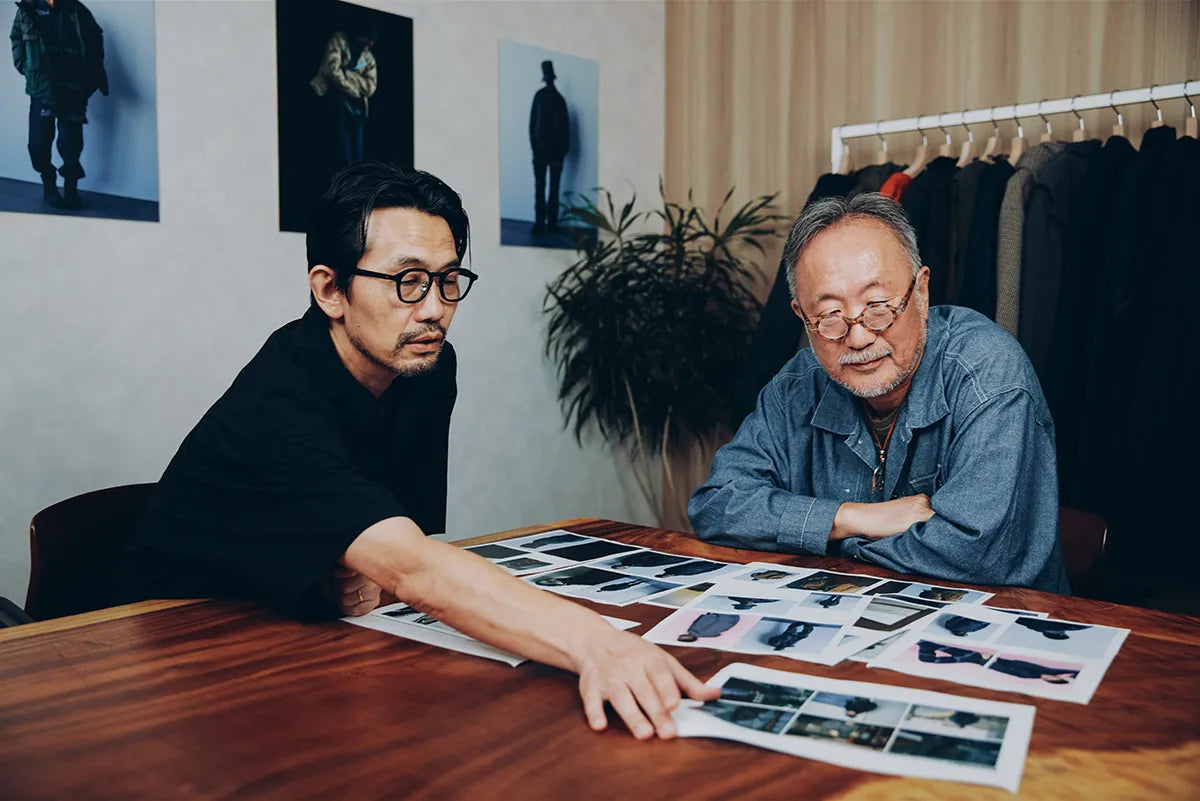
We’re gathered here to have you two talk about MODMNT’s style.
Suzuki: MODMNT’s clothes are designed so you can combine the pieces in various ways to create unique looks. Of course, each item can be worn on its own, but I personally think it’s more fun when you layer them or get creative with how you style them.
Araki: I noticed you designed some down liners for this collection. When I saw them, I was reminded of your style from about ten years ago, when you had on a down liner from a certain outdoor brand. Liners are common now, but back then, only a handful of people wore them as a fashion piece. You wore the down liner over a shirt and a jacket layered on top of that.
Suzuki: That’s true. I used to wear that often. I’ve always enjoyed incorporating items like that into my outfits. I originally started at a “select shop” boutique, so rather than dressing head to toe in the same brand, I prefer mixing clothes that you might not usually think to wear together. Not in a flashy way, though. That’s something I always think about.
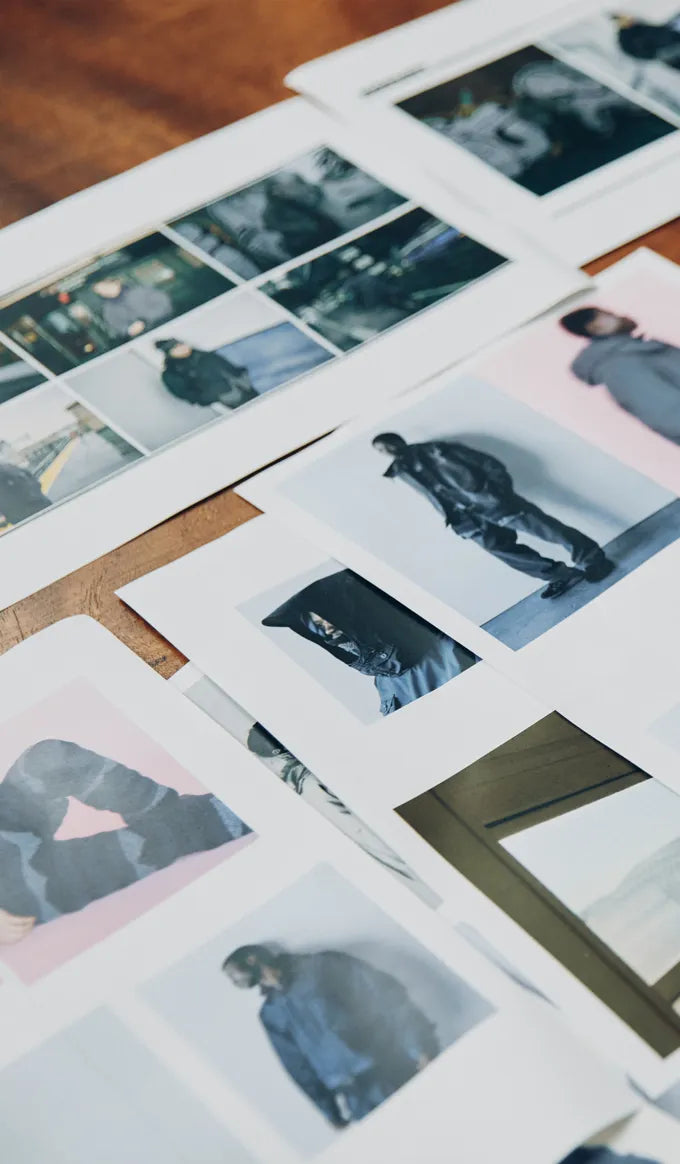
Mr. Araki, when you saw MODMNT, what was your first impression?
Araki: I immediately noticed a lineup of military and workwear-inspired items that felt very “Daiki Suzuki.” They’re authentic and not at all flashy, but when you look closely, each piece is packed with intricate details. You really appreciate their appeal once you put them on. I felt they held so much potential. They’re the kind of clothes that make you excited to think about how to style and combine them.
Suzuki: I always keep that in mind when I design.
Araki: Your designs are always extremely well thought out. When you wear them, you’re pleasantly surprised to find these thoughtful and practical features hidden throughout. And those details don’t look showy but are integrated into refined, toned-down garments, which is another aspect that makes them special.
Suzuki: Thank you. I think everyone sees my designs differently, and I’m fine with each person having their own interpretation. In that sense, there’s no wrong answer.
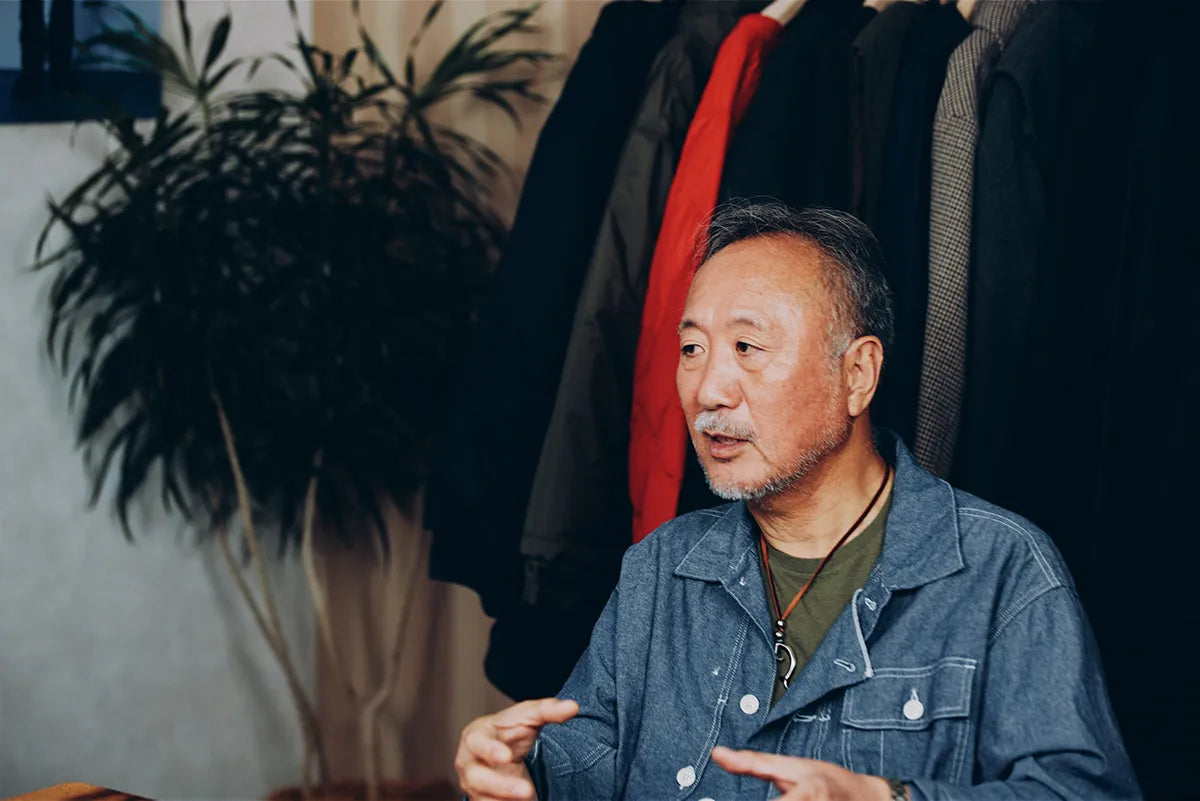
For instance, in this collection, there are snap buttons on the inside of the jacket sleeves that allow a down liner to be attached. Features like this can be seen throughout the collection, right?
Suzuki: Yes, those snaps are practical features, but it’s also perfectly okay to wear a liner without attaching it. There’s a part of me that doesn’t want to be the ideal dresser who wears things exactly as they’re intended. I’m always trying, one way or another, to wear things differently from everyone else.
Araki: But I feel like having the snaps there is important.
Suzuki: Yes, exactly. What matters is that the feature is there. But I like having the choice not to use it. I’m not the type to follow fashion rules that say you should wear something a certain way. That said, how someone chooses to dress is completely up to them, and I think it’s great that there can be different interpretations. When you walk around town, you see all kinds of people. I might notice a person dressed in a way that catches my eye, even if they didn’t intend it to be fashionable. Sometimes, those moments inspire me. There are hints everywhere.
Araki: I completely get that. When I see someone in town who catches my attention, I also want to try it myself, whether or not they intended to style the clothes that way.
Suzuki: My perspective of fashion has been like this for ages, and I think that’s why I make clothes the way I do. When something is too neat, it doesn’t feel like me.
I’m fueled by the desire to find exciting ways to wear the pieces.
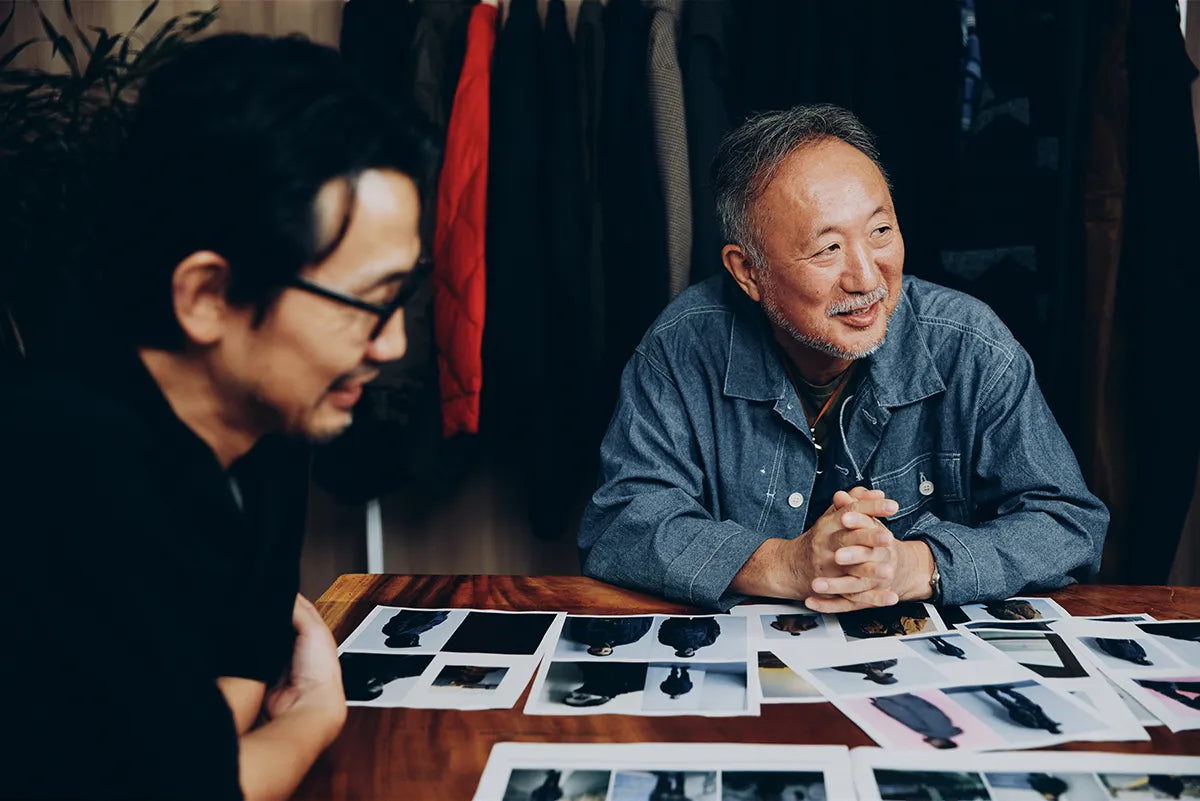
MODMNT’s concept of layering and combining seems slightly different in nuance from the typical “layering style” we generally see.
Suzuki: You’re absolutely right. Generally, a conventional layered look might refer to wearing a vest over a shirt and topping it with a blazer or coat. But with MODMNT, layering is about enjoying the clothes themselves and creating interesting styles. For this collection, for example, I designed three different types of down liners.
There are three types: a vest, a jacket, and a long coat.
Suzuki: I wanted to suggest styling options that people wouldn’t usually try, like pairing a short jacket over a longer coat.
Araki: When I was coordinating the styles, I thought about how I can really play around with the different ways of wearing the down liners. Having those options really expanded the possibilities. The differing lengths of the jacket and down liner change the overall mood of the look.

For this project, MODMNT’s visuals were shot separately, with Mr. Suzuki in New York and Mr. Araki in Tokyo. Let’s start with Mr. Suzuki’s shoot. What were your thoughts behind it?
Suzuki: I styled the looks in a way that I thought would be fun. At the time of the shoot, we didn’t have all the samples ready, so the pieces were limited, but I did my best to be creative with what we had.
Araki: They turned out super cool. A rainy day in New York already has enough ambience on its own.
Suzuki: Definitely. We even talked about how blessed we were that it rained. The model is actually one of our staff members. He’s into vintage clothing and usually dresses like that.
Araki: I can feel that effortlessness from the photos. It looks as if you pulled pieces straight out of his own wardrobe. I found the layering in these shots especially interesting.
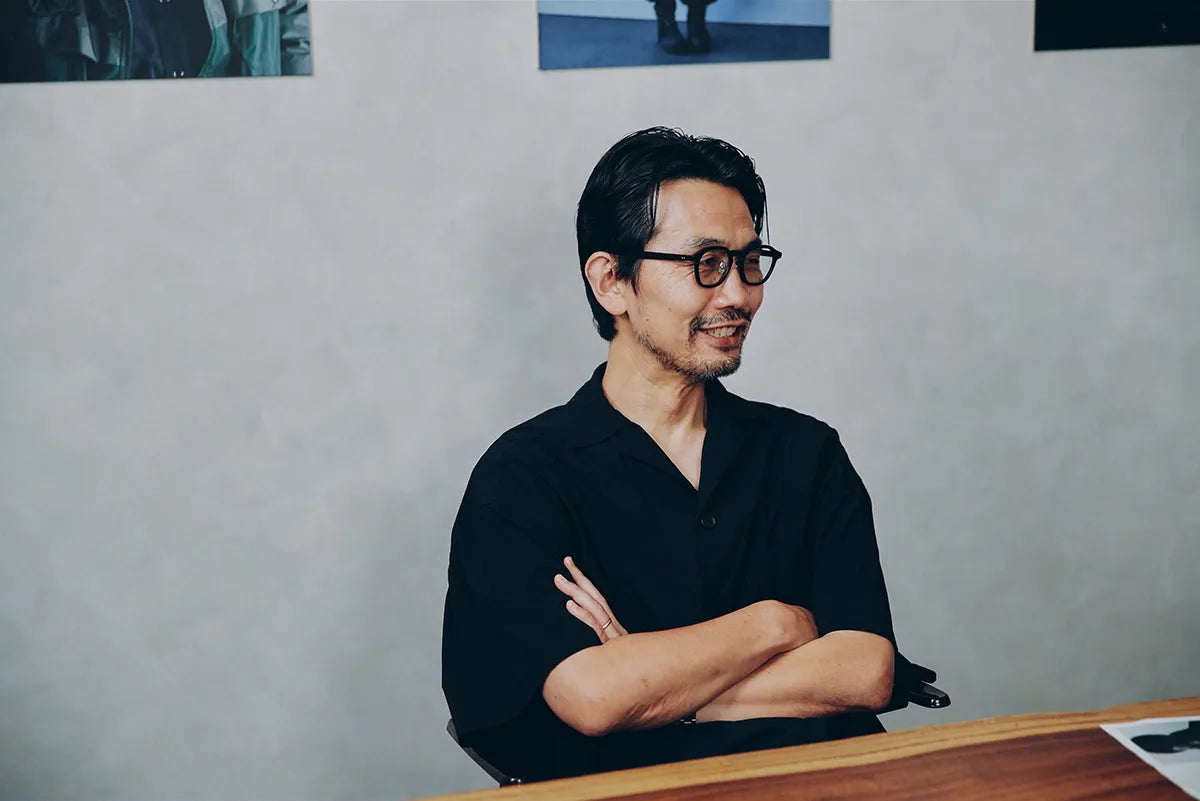
How about you, Mr. Araki? What did you have in mind when shooting?
Araki: I wanted to properly convey the appeal of the differing lengths.
Suzuki: That was really good. The work of a pro.
Araki: Your clothes are really fun to put together. Even with this project, I made so many discoveries. I was styling the wardrobe and thinking, “I could do this all day.” The coat-length down liner, in particular, felt really fresh.
That length is perfection, isn’t it?
Araki: Exactly. It’s that precise length that adds depth to the otherwise predictable style. Even heavy outerwear takes on a whole new look once that piece is added. That was a really fun discovery. Let’s not forget the accessories, too––the gloves and down sleeves. The vest was also super well-designed.
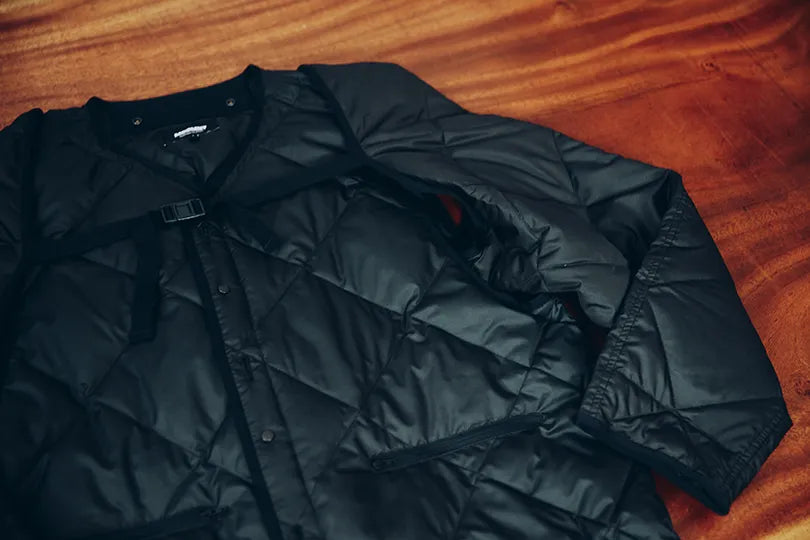
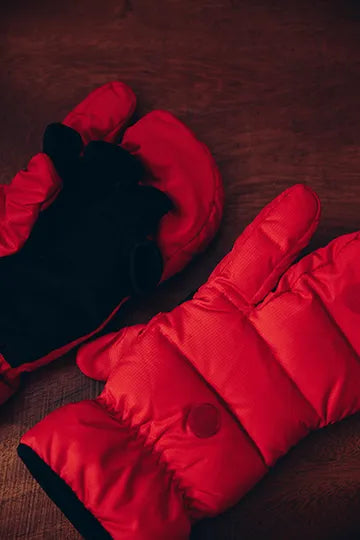
The down sleeves are really like components, aren’t they?
Suzuki: Items like that actually exist as outdoor gear. When I saw them, I thought it could be interesting to reinterpret them as fashion pieces. I look at a lot of things and think, “I could use this.” Even when I watch movies, I find myself paying attention to details other than the storyline. Haha.
Araki: As you said earlier, inspiration is everywhere.
Suzuki: Take military liners, for example. They were originally designed to be attached to the inside of coats, but at some point, people began wearing them as standalone outerwear. I think that’s really cool. They’re taking something beyond its intended use. I love that kind of creativity. When ideas like that take shape, that’s when I think the quality of fashion will rise to another level. That’s why, when I wear MODMNT, I am fueled by the desire to find exciting ways to wear the pieces. Playing with those ideas leads to all kinds of styling possibilities, and that’s what makes it fun. That’s how I came to be who I am. I’ve learned so much from clothes over the years, and now I want to give something back. I create these garments hoping they’ll inspire more people to experiment with new ways of styling them.
Araki: I’m always thinking about how to break away from the typical styling rules. When you’re putting together an outfit, there’s this vague sense of what would be considered okay to do, right? But staying within that boundary gets boring after a while. What matters is how you step beyond it. As a stylist, I want to create work that’s visually intriguing.
Explore different ways to wear MODMNT to discover its true appeal.
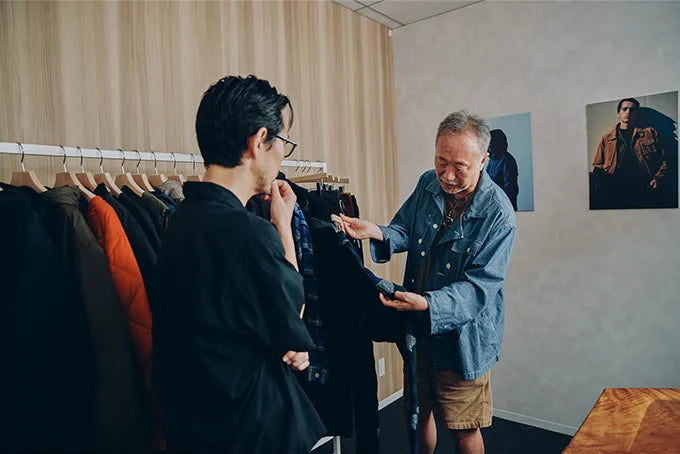
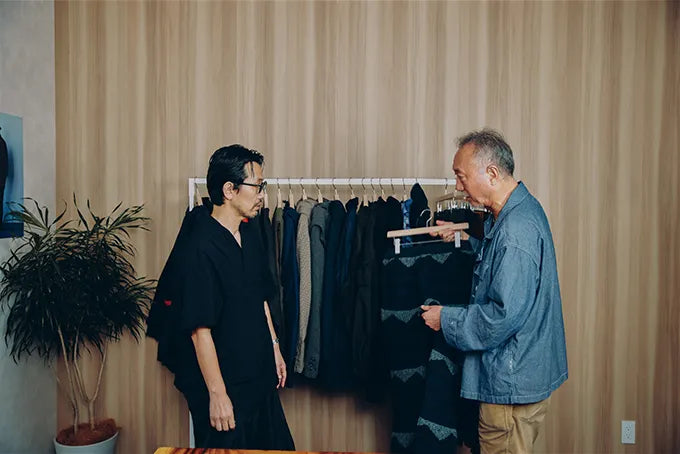
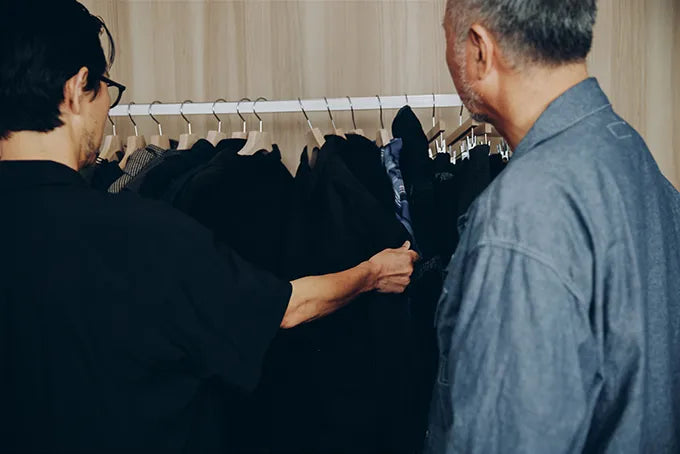
What advice would you give to people who take interest in MODMNT’s pieces?
Araki: All of the pieces can be worn however you like, and they’ll look great no matter what. The designs pair easily with what you already have in your wardrobe, so any combination works. I’d recommend starting with a couple of MODMNT pieces and trying them out. I think you’ll discover the brand’s true appeal as you experiment with different ways to wear them.
Suzuki: I’m emotionally attached to every single piece, so I want them all. Haha.
Araki: I personally like the denim line. I want both the jacket and pants. And definitely the down liners, too.
Suzuki: Even though they are all MODMNT pieces, each one draws inspiration from a different source, like workwear, military, hunting, and more. You can combine them together to build a look or easily wear them with what you already own. I just hope people enjoy different ways of wearing them.


Daiki Suzuki
Born in Aomori Prefecture. Studied fashion at Vantan Design Institute and joined Nepenthes in 1989. After moving to the United States, he launched Engineered Garments in New York in 1999. His unique approach to reconstructing elements of American workwear and military design drew wide attention from the fashion industry, earning him international acclaim. In 2008, he was named the CFDA/GQ Best New Menswear Designer.

Daisuke Araki
Born in 1976 and raised in Gunma Prefecture. He apprenticed under stylist Takashi Kumagai before becoming independent in 2001. His work spans a wide range of fields, including styling for magazines, fashion media, brand lookbooks, actors, artists, and other public figures.
 X (TWITTER)
 FACEBOOK
 LINE
LINE


